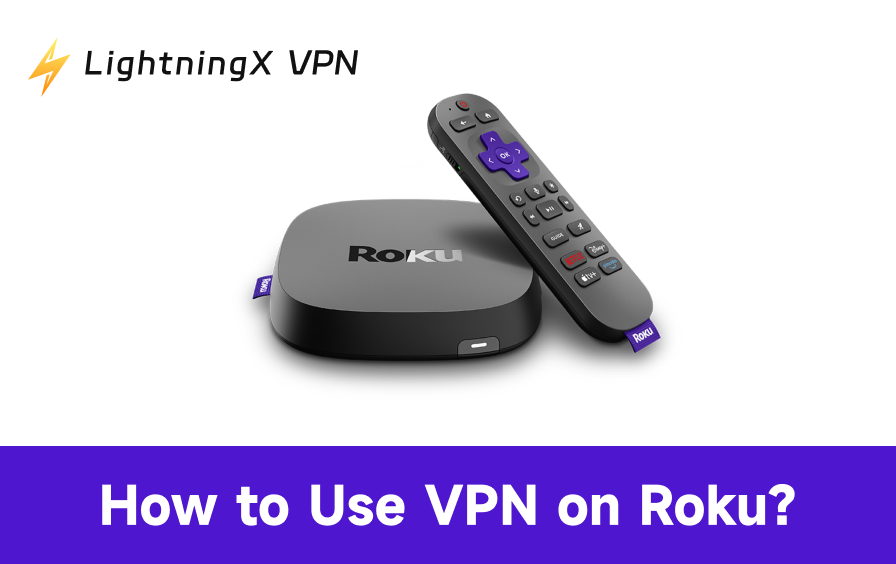
Unlike Android TV or Amazon’s Fire TV Stick, Roku OS is a “closed system.” This means Roku does not allow third-party VPN developers to build native apps for their hardware. Simply put, there is no way to install a VPN on a Roku device. While you can’t install a VPN on the Roku itself, you can easily connect your Roku to a network that is already protected by a VPN. In this guide, we’ll break down the best workarounds to get your Roku behind a secure tunnel.
Setting Up a VPN Router for Your Roku TV
The most seamless solution is to secure your entire Wi-Fi network with a VPN. Since Roku itself doesn’t support VPN apps, this method ensures your Roku TV is “born” into a protected network the moment it connects to your Wi-Fi.
What Is a VPN-Compatible Router?
Most standard routers provided by Internet Service Providers (ISPs) are “locked down.” They are designed for basic connectivity and typically lack VPN Client features, which are required to log into a VPN service.
If you use T-Mobile Home Internet, you’ve likely encountered this limitation when trying to unblock Roku content. T-Mobile Home Internet is a popular fixed-wireless service that uses 5G cellular signals to provide high-speed home Wi-Fi via a “Gateway” device.
Unfortunately, the T-Mobile Gateway does not support VPN configurations. To use a VPN with this setup, you must connect a secondary VPN-capable router to the T-Mobile Gateway using an Ethernet cable.
Buy vs. Flash: Two Ways to Get a VPN Router
If you don’t already own a compatible device, you have two main paths:
Option A: Buy a Pre-configured Router (Recommended)
Brands like GL.iNet or high-end ASUS models come with VPN software pre-installed. These are “plug-and-play” and allow you to simply enter your VPN credentials to get started. While more expensive, they offer the best stability and ease of use.
Option B: “Flash” a Cheap Router (DIY)
If you are on a budget, you can buy a compatible entry-level router and install open-source firmware like OpenWrt or DD-WRT. This “flashing” process forces VPN functionality onto hardware that didn’t originally support it.
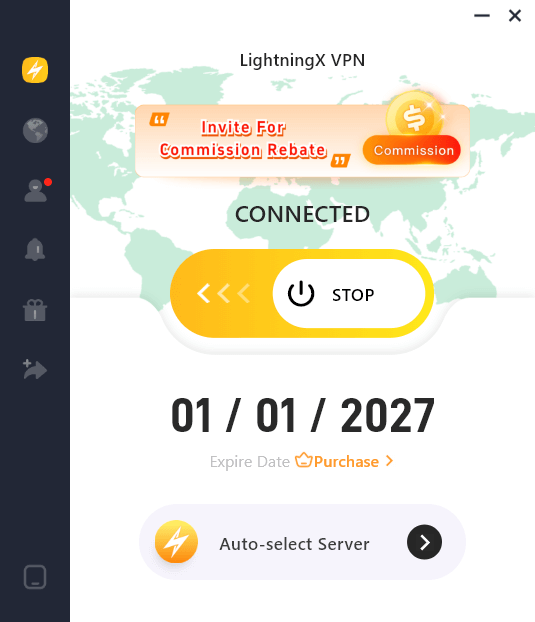
Once your router is flashed, you can manually configure a high-performance service like LightningX VPN directly onto the hardware. This is an ideal choice for budget-conscious users, as LightningX VPN is highly affordable and even offers free nodes.
Warning: The Risk of “Bricking”
Flashing a router is a high-stakes process. If the installation fails or the power cuts out during the update, you can “brick” your device, turning it into a useless piece of plastic that cannot be recovered. Additionally, custom firmware almost always voids your manufacturer’s warranty. Only attempt this if you are technically confident.
How to Use VPN on Roku Without a Router – Virtual VPN Hotspot
The process is simple: you turn on the VPN on your PC or Mac, and then activate the “Mobile Hotspot” feature. Your computer then broadcasts a new Wi-Fi signal. When you connect your Roku to this specific hotspot, all of its traffic is automatically routed through the VPN tunnel active on your computer.
Why Choose a Hotspot?
First, you don’t need to buy any additional cables or routers; you only need your existing computer and your VPN subscription.
It is incredibly easy to switch locations. If you want to jump from a UK server to a US server, you simply change the IP address in your VPN app on your desktop, and the Roku’s connection updates instantly.
The Cons:
While convenient, this method isn’t perfect. There are two main trade-offs to keep in mind:
- Reduced performance: Because your computer’s Wi-Fi card has to simultaneously receive data from the internet and broadcast it to your Roku, you will experience a “performance tax.” Expect slightly higher latency (ping) and slower download speeds compared to a direct router connection, though it is usually still fast enough for HD streaming.
- System dependency: For your Roku to stay connected, your computer must remain powered on and “awake.” If your laptop goes into sleep mode or the battery dies, your Roku will immediately lose its internet connection.
How to Set Up VPN on Roku via Smart DNS
Smart DNS is a technology that reroutes the specific bits of your data related to your location (your DNS queries) through a proxy server in another country.
Unlike a VPN, which wraps all your data in an encrypted “tunnel,” Smart DNS only changes your perceived location. To a streaming service like Netflix, it looks like you are sitting in the US or UK, even if you are thousands of miles away.
Why Choose Smart DNS Over a VPN?
For many streamers, Smart DNS is actually superior to a full VPN for two main reasons:
- Maximum Speed for 4K: Encryption is “heavy” and requires processing power, which can slow down your internet. Since Smart DNS does not encrypt your traffic, there is zero speed loss. This makes it the ideal solution for buffering-free 4K Ultra HD streaming.
- Ease of Use: You don’t need any extra hardware. To set it up, you simply log into your VPN provider’s website, get their “DNS Server” numbers, and enter them directly into your Roku’s network settings.
A Note on Privacy: It is important to remember that Smart DNS is designed for access, not security. Unlike a VPN, it does not encrypt your traffic or mask your IP address from the rest of the web. Your ISP can still see your online activity, and your data remains unencrypted. Essentially, this is a tool for bypassing geo-blocks, not for staying anonymous online.
Related: How to Find Roku IP Address: 3 Methods for All Roku Devices
Screen Mirroring: The “No-Setup” Shortcut
Instead of trying to get the VPN onto your Roku, you simply run the VPN app on your phone, tablet, or laptop. Once you’ve connected to your desired country and started the video, you use AirPlay (for Apple devices) or Screen Mirroring (for Android/Windows) to beam the video directly to your Roku TV.
In this scenario, your VPN-protected mobile device handles the actual streaming and location-spoofing.
This is the perfect solution for occasional use. If you just want to watch a single movie or a specific sports match without reconfiguring your entire home network, this “hack” saves you a lot of time.
Keep in mind: Since your phone is doing the work, you’ll need to keep the screen active (in most cases), which can drain your battery. It’s not the most elegant long-term solution, but it’s definitely the fastest way to get a blocked show onto your big screen right now.
Roku VPN Not Working? Troubleshooting & Expert Tips
Here are two critical tips to ensure your Roku actually displays the content you’re trying to reach.
The “Secret” Step: Region-Locked Accounts
Many users are surprised to find that even with a VPN active, their Roku still shows local apps. This is because Roku accounts are region-locked based on where they were created. If you registered your account in the UK, your Roku will always point to the UK Channel Store, regardless of your current IP address.
To fix this, you may need to:
- Activate your VPN on your computer and set it to your target region (e.g., the United States).
- Go to the Roku website and create a brand-new account while the VPN is active.
- Factory reset your Roku device and link it to this new “US-based” account.
Handling VPN Disconnects and “Handovers”
If you are using a virtual hotspot or a mobile-based setup, you might experience a connection drop during a “handover.” This happens when your device switches between Wi-Fi and 5G, or when a laptop toggles between a wired Ethernet connection and wireless.
When this switch occurs, the VPN tunnel often breaks for a few seconds, exposing your real IP to the Roku. To prevent this:
- Enable a Kill Switch: Make sure your VPN’s “Kill Switch” feature is turned on. This ensures that if the VPN connection drops, all internet traffic is blocked until the secure tunnel is re-established.
- Stay Plugged In: For virtual hotspots, use a wired Ethernet connection for the host computer whenever possible to minimise signal interference.
If you find that after these steps your Roku is not connecting to Wi-Fi, check your router’s security protocols to ensure they are compatible with the VPN tunnel.”
FAQ: Common Roku VPN Questions
Q1: Why is Netflix still showing my local content?
This is usually due to a region-locked Roku account. You likely need to create a new Roku account while connected to a VPN server in your target country (like the US).
Q2: Will a VPN slow down my streaming speed?
Encryption usually causes a minor speed drop. If speed is your priority, use the Smart DNS method, which provides the fastest possible connection for UHD streaming.
Q3: Do I need a VPN to watch YouTube on Roku?
Only if the specific video is geo-blocked in your country. For general YouTube use, a VPN isn’t necessary, but it can help bypass ISP throttling.