Understanding How Does a VPN Work is essential today as online privacy becomes more valuable than ever. Millions of users rely on VPNs to stay safe while browsing, streaming, or accessing restricted websites.
However, not everyone truly understands what happens behind the scenes. In this post, you’ll learn how a VPN works, why encryption matters, what tunneling protocols do, and how a VPN protects you from hackers, ISPs, and surveillance systems.
What Is a VPN?
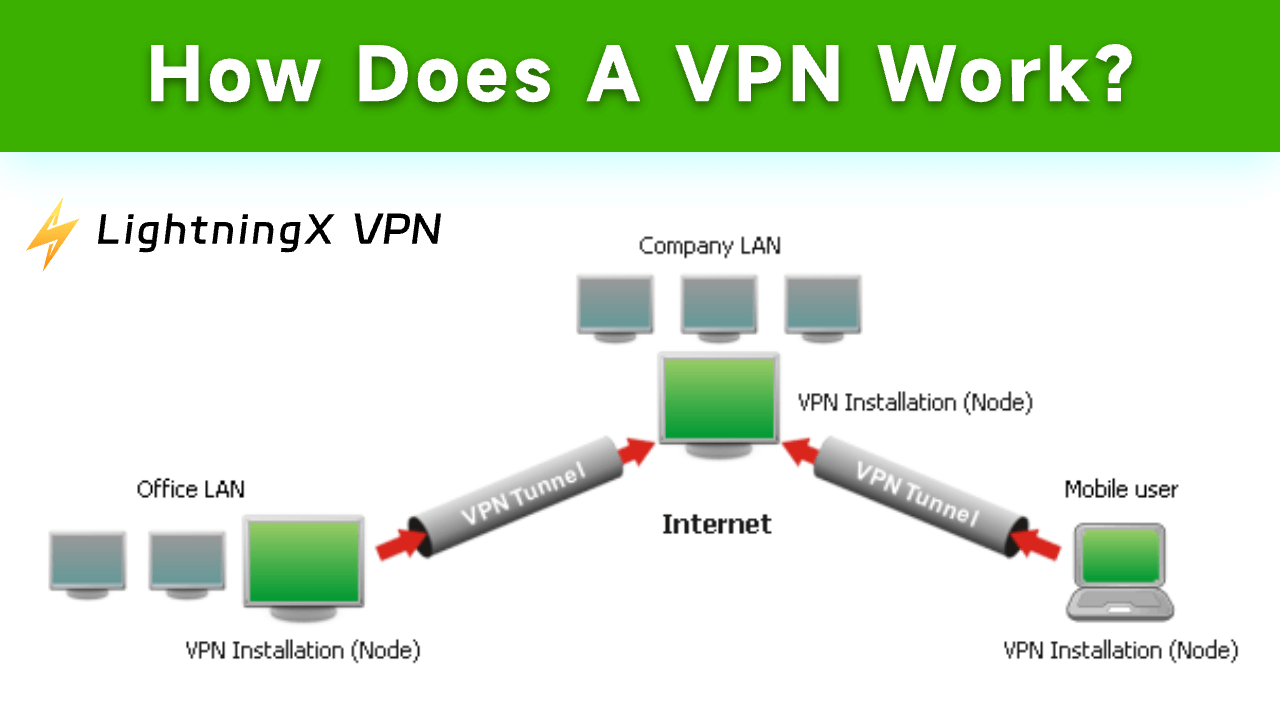
Before diving into How Does a VPN Work, it’s important to understand what a VPN actually is. A VPN – short for Virtual Private Network – is a security tool that creates an encrypted connection (often called a “tunnel”) between your device and a remote server operated by the VPN provider. By routing your internet traffic through this secure tunnel, a VPN hides your IP address and prevents others from monitoring what you do online.
This means your online identity stays protected whether you’re using public Wi-Fi, browsing from home, or accessing international content. Understanding these basics makes learning How Does a VPN Work much easier.
How Does a VPN Work: The Core Concept
To explain How Does a VPN Work, imagine sending a letter inside a locked box that only you and the recipient can open. Even if the delivery person notices the box, they can’t see its contents. That’s exactly what a VPN does with your internet data.
When you connect to a VPN:
- Your device encrypts your data using a secure algorithm.
- The encrypted data is sent through a secure VPN tunnel.
- The VPN server decrypts the data and forwards it to the internet.
- Websites and apps see the VPN server’s IP, not yours.
This process protects your privacy and prevents anyone from tracking your online activity. Encryption + tunneling + rerouting = online anonymity.
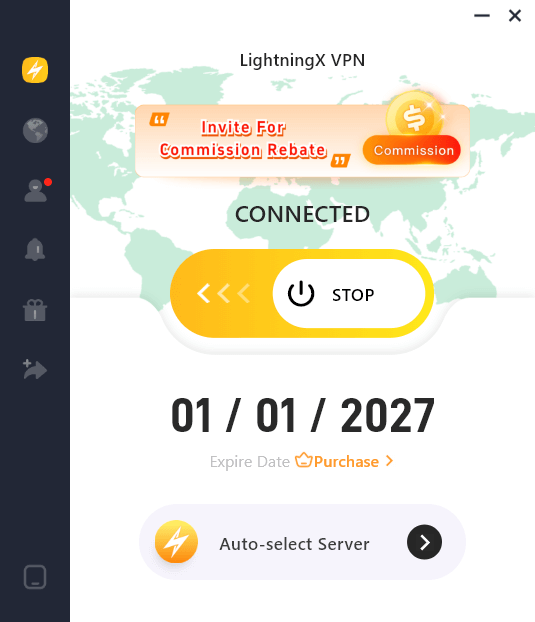
Tip: LightningX VPN – Provide 2000+ fast servers in 70+ countries, including several free servers. Use this VPN to unblock websites worldwide and protect your privacy online. Support Windows, Mac, Android, iOS, Linux, TV, Chrome, Firefox, Edge, etc.
How Encryption Works Inside a VPN
Encryption is the heart of How Does a VPN Work. It transforms readable data into unreadable code. Even if hackers intercept your traffic, they cannot decode it.
Common Types of VPN Encryption
- AES-256: The gold standard used by governments and banks.
- ChaCha20: A newer, high-speed encryption method used in WireGuard.
- RSA & Diffie-Hellman: Used for securely exchanging encryption keys.
Understanding VPN Tunneling Protocols
Another major part of How Does a VPN Work is the tunneling protocol. A VPN protocol determines how data travels from your device to the VPN server. These protocols control speed, security, and stability.
Popular VPN Protocols
- OpenVPN: Highly secure, widely supported.
- WireGuard: Extremely fast and lightweight, ideal for streaming.
- IKEv2/IPSec: Reliable for mobile devices and switching networks.
- L2TP/IPSec: Older but still functional.
- PPTP: Outdated and insecure – avoid it.
Also read: How to Set Up a VPN for Free on Windows, Mac, iPhone, Android
What Happens to Your IP Address?
Another key reason people search How Does a VPN Work is to understand how VPNs change their IP address. When you connect to a VPN server, your device’s real IP is replaced by the server’s IP.
Benefits of Changing Your IP Address
- Avoid tracking from websites and advertisers.
- Access geo-blocked content (e.g., Netflix libraries).
- Bypass government or school restrictions.
- Prevent hackers from discovering your real location.
How Does a VPN Work on Public Wi-Fi?
If you regularly use airport, hotel, or public Wi-Fi, knowing How Does a VPN Work becomes even more important. Public networks are insecure, making them hotspots for cyberattacks.
A VPN solves this problem by:
- Encrypting your traffic so hackers can’t steal data.
- Preventing packet sniffing and session hijacking.
- Hiding your activity from Wi-Fi administrators.
This is why cybersecurity experts strongly recommend using a VPN whenever you connect to open Wi-Fi networks.
How Does a VPN Work for Bypassing Geo-Restrictions?
Many people search How Does a VPN Work because they want to unlock content from other regions. VPNs let you view content available only in certain countries by routing your traffic through servers in those locations.
Examples of Geo-Restricted Content
- Streaming platforms (Netflix, Hulu, BBC iPlayer, etc.)
- Sports broadcasts
- Country-specific websites or apps
How Does a VPN Work to Prevent ISP Tracking?
Your Internet Service Provider (ISP) can track everything you do online – unless you use a VPN. Many users want to know How Does a VPN Work to block this monitoring.
A VPN hides:
- Your browsing history
- Download behavior
- Search queries
- Streaming activity
ISPs can only see that you’re connected to a VPN – not what you do inside the encrypted tunnel.
Does a VPN Make You Anonymous?
A common misconception while researching How Does a VPN Work is that a VPN makes you 100% anonymous. In reality:
- A VPN hides your IP address.
- It encrypts your traffic.
- It prevents local tracking.
But total anonymity depends on additional factors like avoiding personal logins, disabling cookies, and not sharing private info.
Limitations of VPNs (What They Can and Can’t Do)
To fully understand How Does a VPN Work, you must also know what a VPN can do and cannot do.
A VPN CAN:
- Hide your IP address
- Encrypt your data
- Prevent ISP tracking
- Improve online privacy
- Unblock geo-restricted content
A VPN CANNOT:
- Stop viruses or malware
- Replace antivirus software
- Protect you if you willingly give websites your private info
Knowing both sides helps you use the technology more effectively.
Final Thoughts
As the internet becomes more complex and more companies track user behavior, understanding How Does a VPN Work is one of the smartest things you can do for your online safety. Encryption, tunneling protocols, and IP masking work together to protect your privacy, unlocking a more secure and open internet.