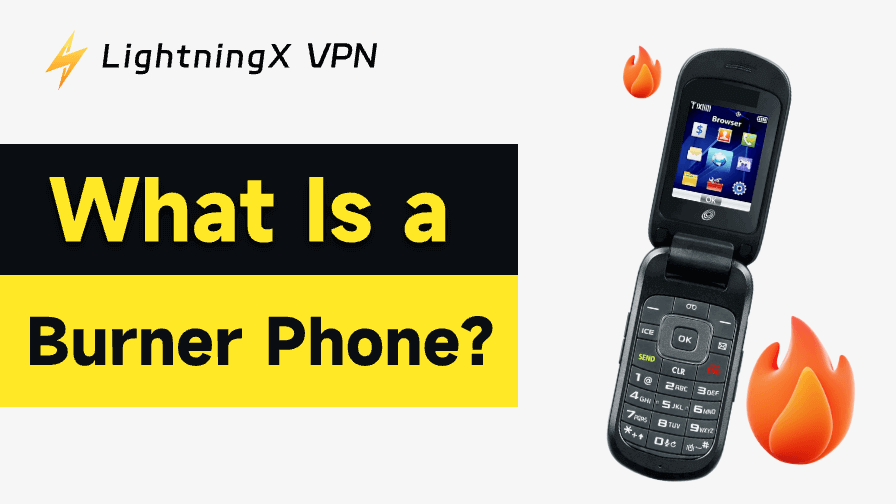
A burner phone is a simple, low-cost mobile phone meant for temporary use. It is not connected to your identification like your typical smartphone is. People purchase it for temporary use, crises, or secrecy. In this post, we will explain what a burner phone is, why people use it, how it works, and answer some frequently asked questions.
What Is a Burner Phone?
A burner phone is a type of prepaid mobile phone. It is available for purchase without a contract. Often, a prepaid SIM card is included. You may either replace the phone or top it off when the credit runs out. It is referred to as a “burner” for this reason. The goal is to use it and then throw it away when you no longer use it.
Typically, burner phones are entry-level devices. They send texts, make phone calls, and occasionally connect to the internet. However, they lack some extended functions of normal smartphones, such as not being able to cast your phone to a TV, or you may not be able to listen to music. Some Short-term uses and anonymity are the primary goals for people to use.
Burner Phones vs Prepaid Phones
Burner phones are designed for temporary use and privacy. They are ideal for short-term projects, travel, online classifieds, or situations where you want a number that isn’t tied to your personal identity. Typically, they are very cheap – often basic flip phones or simple smartphones – and are often discarded after a few days or weeks. Because they require minimal personal information, burner phones offer a higher level of privacy.
Prepaid phones, on the other hand, are intended for longer-term use without a contract. Users pay in advance for calls, texts, and data, and can continue using the same phone as long as they recharge it. Prepaid phones can range from budget flip phones to mid-range smartphones. While they are convenient and flexible, they usually require registration with a carrier, so they offer less anonymity compared to burner phones.
How Do Burner Phones Work?
Prepaid SIM cards are compatible with burner phones. A contract is not necessary. For calls, texts, and data, you pay in advance. You can either recharge the phone or throw it away when you no longer use it. It is more difficult to track your usage because you can pay with cash. Convenience stores, supermarkets, and internet retailers sell modern burner phones. Temporary numbers that function as burner phones are also offered by certain mobile apps.
Pros of Burner Phones
- Privacy: Your number is safe. There’s no way to find your IP address.
- Low cost: Most burner phones are cheap.
- No contract: You only pay for what you use.
- Simple to use: simple to set up and run.
- Emergency backup: Useful when your main phone is not available.
Cons of Burner Phones
- Limited features: Most burner phones don’t have advanced apps.
- Short-term use: Not designed for long-term reliability.
- Possible regulations: ID registration is required in some countries.
- Disposable waste: Disposing of electronics can have negative environmental effects.
Why Use A Burner Phone?
1. Privacy Protection
To safeguard their identity, a lot of people purchase burner phones. A burner number is helpful if you want to sign up for an internet service but don’t want to divulge your actual phone number.
2. Safety and Security
When selling products online, some people utilize burner phones. It protects their primary number from harassment or spam.
3. Travel and Temporary Use
When going overseas, a burner phone may come in handy. You can use a cheap phone and purchase a local prepaid SIM card to avoid paying expensive roaming costs.
4. Emergencies
Burner phones serve as backup devices. You can store one in your emergency kit or vehicle. You still have a way to call for assistance if your primary phone breaks or the battery runs out.
5. Sensitive Communication
Burner phones are used by journalists, activists, and investigators to safeguard their contacts. It reduces the possibility of being watched.
Where to Buy a Burner Phone and How Much It Costs?
If you need a quick, low-commitment device, burner phones are easy to buy both online and in stores. You can find them at major retailers like Best Buy, Walmart, Target, as well as online marketplaces such as Amazon and eBay.
Many convenience stores, supermarkets, and even gas stations also carry simple prepaid phones or SIM cards, making them accessible almost anywhere. These locations typically sell prepaid flip phones, feature phones, and affordable smartphones that require no contracts or credit checks.
In terms of pricing, burner phones are generally very inexpensive. Basic flip phones and feature phones typically range from $10 to $50, offering essential calling and texting functions with long battery life. Budget prepaid smartphones usually cost $50 to $150, providing Wi-Fi, apps, and mobile data without a long-term plan.
Unlocked entry-level smartphones fall between $80 and $180, giving users more carrier flexibility while remaining affordable. Overall, the cost depends on whether you prefer a simple voice-only device or a low-cost smartphone with more functionality.
Alternatives to Burner Phones
If you don’t want to buy a separate device, several practical alternatives offer similar privacy benefits or number separation. These options work well for short-term use, online activities, or keeping your main number private.
1. Burner Apps (Temporary Numbers)
Apps like Burner, Hushed, TextNow, and MySudo let you create disposable phone numbers directly on your existing phone. These numbers can call, text, and sometimes offer voicemail.
Good for:
Online selling, dating apps, short-term projects, business leads.
Pros: No extra device, instant number creation.
Cons: Requires internet; some apps need personal info for billing.
2. Dual SIM / Phones with eSIM Card
Most modern phones (iPhone, Samsung, Pixel) support two SIMs. You can use your main number on one SIM and insert a prepaid SIM as a secondary number.
Good for:
Travel, separating work/personal communication, and maintaining privacy without extra hardware.
Pros: Reliable calling/SMS, flexible.
Cons: Less anonymous than a dedicated burner phone.
3. VoIP Numbers
Services like Google Voice, Skype Number, OpenPhone, and TextNow offer internet-based phone numbers.
Good for:
Online accounts, low-cost calling, business use, and receiving calls across devices.
Pros: Cheap and easy to manage; works on multiple devices.
Cons: Some websites block VoIP numbers for verification.
4. Temporary or Prepaid SIM Cards
You can buy prepaid SIMs from supermarkets, carriers, airports, and convenience stores. They provide a temporary number without needing a second phone.
Good for:
Short-term projects, travel, and privacy when giving out your number.
Pros: Cheap, simple, better call quality than VoIP.
Cons: Registration rules vary by country.
How to Dispose of a Burner Phone Properly
If you don’t want to use a burner phone anymore, here is a step-by-step guide to disposing of your burner phone properly:
Step 1: Remove the SIM and microSD card
Take out the SIM card and any memory card. Cut the SIM into pieces to destroy the chip.
Step 2: Factory reset the phone
Restore the device to factory settings to wipe all call logs, messages, and stored data.
Step 3: (Optional) Destroy the internal storage
For extra privacy, open the device and scratch or crush the memory chip so data cannot be recovered.
Step 4: Recycle the device safely
Bring the phone to an electronics recycling program—such as Best Buy, Staples, local e-waste centers, carrier stores, or mail-in recyclers. Do not throw it in regular trash.
Step 5: Donate if the phone is still functional
If privacy isn’t an issue, donate the phone to charities or programs that provide emergency phones to people in need.
Extra Safety Tip:
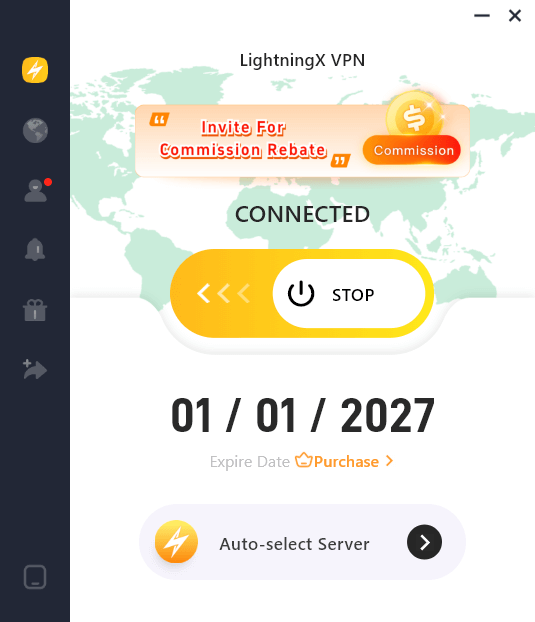
A burner phone can help reduce personal traceability, but its privacy benefits are limited without network protection. That’s why many users combine it with LightningX VPN to keep their IP address hidden and prevent tracking across apps or websites.
Plus, it also offers a 30-day money-back guarantee, allowing you to select a purchase plan tailored to your specific needs. Additionally, a single account purchase supports multi-device platforms, including Android/iOS/macOS/Windows/TV/Linux/Chrome, etc.
FAQs – Burner Phone
Q1: Is Burner Phone Legal?
Yes, burner phones are legal in most countries. You should use a burner phone legally and reasonably if you want to. Some places require SIM card registration with ID (e.g., China, Europe). In the U.S., rules vary by state and provider.
Q2: Can a burner phone be traced to you?
Burner phones offer temporary anonymity but are not fully untraceable. If linked to personal data or an identifiable SIM, they can be traced. When bought with cash and used separately, they’re much harder to track than regular phones.
Q3: Why is it called a burner phone?
The name comes from the idea of “burning” or discarding the phone after use. Popularized in crime dramas, it reflects their temporary, disposable nature.
Q4: Who Should Consider a Burner Phone?
- Privacy-conscious users
- Travelers needing local numbers
- Online sellers
- Journalists or activists
- Anyone needing a backup phone
Bottom Line
A burner phone is a temporary, prepaid mobile device. It offers privacy, security, and flexibility. While it has limitations, it is useful in many situations, from travel to emergencies. As long as you use it legally and responsibly, a burner phone can be a smart tool for privacy and safety.