Your IP address is a unique identifier assigned to your device when you connect to the internet. It is your online digital identity. It allows websites, apps, and servers to know where to send data. Without an IP address, online communication wouldn’t work.
While your IP address does not reveal your exact home address or personal identity, it can still expose some valuable information.
In this post, we’ll explain “what can someone do with your IP address”, how attackers might misuse it, and what steps you can take to stay safe online.
What Can Someone Do with Your IP Address?
1. Track Your Approximate Location
One of the most common answers to “if someone has my IP address what can they do” is location tracking.
By using publicly available IP lookup tools, someone can usually find this information based on your IP address:
- Your country
- Your city or region
- Your internet service provider (ISP)
However, it’s important to clarify a misconception. An IP address cannot reveal your exact street address or your name. The location data is approximate, often inaccurate, and usually points to your ISP’s network hub rather than your home.
Still, location tracking can be used for:
- Targeted scams
- Geo-restricted content blocking
- Profiling your online behavior
This is often the first step when someone attempts to misuse your IP address.
Also read: Fix “Your IP Has Been Temporarily Blocked” Issue – 10 Tips
2. Monitor Your Online Activity Patterns
Websites and advertisers routinely log IP addresses to analyze behavior. In the wrong hands, this information could be used to:
- Track browsing habits
- Identify repeat visits
- Build behavioral profiles
If someone controls a website or server you visit, your IP address helps them understand how often you return and from where. This is a more subtle but widespread answer to “what can someone do with your IP address”, especially in data-driven marketing environments.
While this isn’t always malicious, it does raise legitimate privacy concerns.
3. Scan Your Network for Weaknesses
Another answer to “if someone has my IP address what can they do” is network reconnaissance.
Cybercriminals can use your IP address to:
- Scan your network for open ports
- Identify exposed services such as remote desktop or file sharing
- Detect outdated software or unpatched routers
If your network is poorly secured, this could lead to unauthorized access attempts. However, it’s important to note that an IP address alone is not enough to hack you. Successful attacks usually require:
- Weak passwords
- Unpatched systems
- Misconfigured routers
4. Send Spam or Malicious Traffic
In some cases, attackers can use your IP address to send unwanted traffic or attempt indirect abuse.
Examples include:
- Forcing your IP into suspicious activity logs
- Triggering rate limits or temporary bans
- Associating your IP with bot-like behavior
This can be frustrating, especially if websites block your access due to IP reputation issues. When people ask “what can someone do with your IP address”, this type of misuse is less dramatic but surprisingly common.
Dynamic IP addresses assigned by ISPs usually resolve this issue over time, as your IP eventually changes.
5. Launch Targeted Cyber Attacks (DDoS)
If someone has your IP address, one of the most serious things they can do is attempt a Distributed Denial of Service (DDoS) attack.
A DDoS attack floods your IP address with massive amounts of traffic, overwhelming your connection and forcing it offline. This tactic is commonly used in:
- Online gaming
- Streaming platforms
- Competitive or malicious disputes
When discussing “what can someone do with your IP address”, DDoS attacks are one of the most realistic threats. While they usually don’t steal data, they can:
- Disconnect you from the internet
- Interrupt work or gaming sessions
- Cause router instability
Fortunately, most ISPs can mitigate DDoS attacks if you report them promptly.
Also read: Does Your IP Address Change? Different Scenario Analysis
What Someone Cannot Do with Your IP Address
Equally important is understanding what someone cannot do with your IP address:
- Access your photos or files directly
- Read your messages
- See your passwords
- Hack your device instantly
So, when asking “if someone has my IP address what can they do”, remember that IP exposure alone does not equal total compromise. Real attacks require additional vulnerabilities.
How Can Someone Find Your IP Address
Visiting a Website or Online Service
Every time you visit a website, your IP address is automatically shared with that site’s server. This is how the internet functions. Website owners, analytics tools, and content delivery networks can all see your IP address in server logs. This is one of the most common and legitimate ways someone gets your IP address.
Clicking on Links or Ads
When you click a link, open an image, or interact with online ads, your browser connects to external servers. These servers can record your IP address along with basic connection data. This method is often used in tracking and analytics but can also be abused by malicious actors hosting harmful links.
Online Gaming and Peer-to-Peer Connections
In multiplayer games, voice chats, or peer-to-peer (P2P) platforms, your IP address may be visible to other participants – especially if the service uses direct connections instead of dedicated servers. This explains why gamers often ask “if someone has my IP address what can they do” after encountering harassment or DDoS threats.
Email and Messaging Headers (Advanced)
In some situations, email headers or direct messaging systems can reveal IP addresses, especially when older protocols or improperly configured services are used. While modern platforms usually hide this information, it can still occur in less secure environments.
Malware or Malicious Software
If a device is infected with malware, attackers can easily collect the IP address and other network details. This is a more serious scenario and usually happens after unsafe downloads or clicking suspicious links.
Best Ways to Protect Your IP Address
Now that you understand “what can someone do with your IP address”, below are proven ways to reduce risk and protect yourself if your IP address is exposed.
- Use a VPN to mask your real IP address
- Keep your router firmware updated
- Enable firewalls on your devices
- Avoid clicking unknown links
- Restart your router to refresh a dynamic IP (Related: IP Release and Renew)
These steps dramatically lower the chances of IP abuse and give you greater control over your online privacy. Among these ways, the most effective way to protect your IP is to use a VPN.
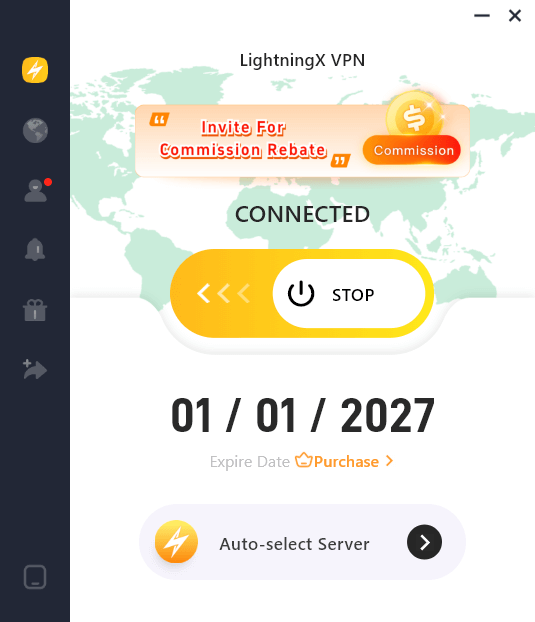
LightningX VPN is a VPN for Windows, Mac, Android, iOS, Linux, TV, Chrome, Firefox, and Edge. It provides 2000+ servers in 70+ countries, including several free servers.
You can install this VPN and connect to a VPN server in another location. Your IP will be instantly changed to an IP provided by the VPN. This helps hide your real IP address. It can also encrypt all your online traffic to avoid third-party tracking. It gives you a fast, stable, and private internet connection. Besides, a strict no-logs policy is ensured.
Conclusion
So, what can someone do with your IP address in reality? While it does carry some risks, it’s not as dangerous as many people believe. Most threats are limited, manageable, and preventable with basic security practices. Understanding the true capabilities – and limitations – of an IP address empowers you to browse the internet more confidently and securely.